
How to Plan a Kitchen Renovation in Australia: A Step-by-Step Guide


Setting Your Budget
When planning a kitchen renovation in Australia, the first step is to set a realistic budget. Consider the scope of your project and allocate funds for each component, such as cabinetry, appliances, and labor costs. It's wise to set aside an additional 10-20% for unforeseen expenses.
Research the average costs of materials and services in your area to get a clearer picture. This will help you prioritize your spending and ensure you don't overshoot your budget.

Designing Your Dream Kitchen
Once your budget is in place, focus on designing your kitchen. Begin by considering the layout. The most common kitchen layouts include L-shaped, U-shaped, and galley kitchens. Choose one that best suits your space and lifestyle.
Next, think about the aesthetic elements. Select a style that resonates with you, whether it's modern, rustic, or industrial. Choose colors, finishes, and materials that complement your home's overall design.
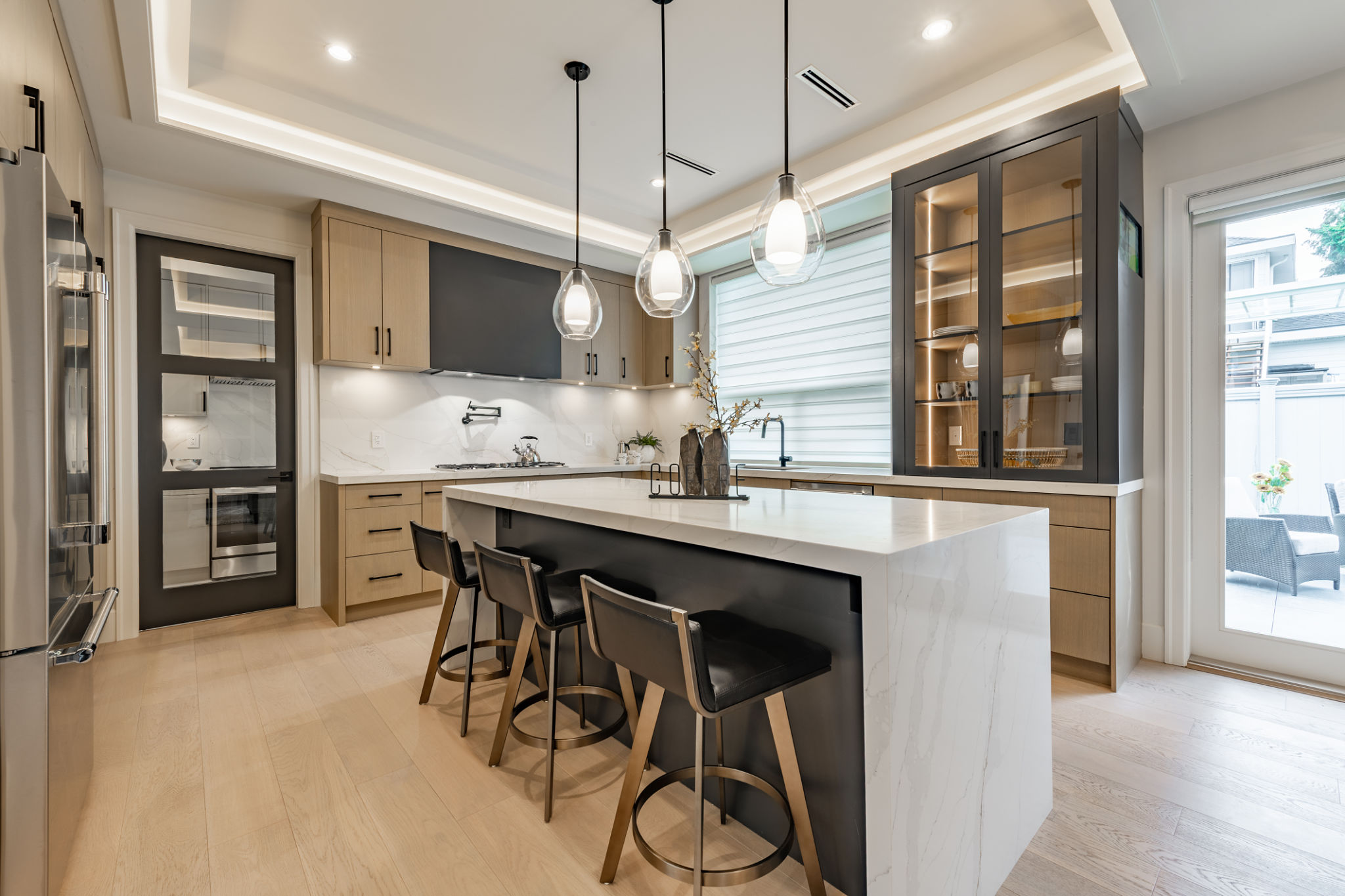
Selecting Appliances and Fixtures
Appliances and fixtures are essential components of a kitchen renovation. Consider energy-efficient models to reduce your utility bills and environmental impact. Ensure that the appliances you choose fit well within your design and layout.
When selecting fixtures, prioritize functionality and durability. Look for high-quality taps, sinks, and lighting that enhance the usability and style of your kitchen.
Hiring Professionals
Engaging the right professionals is critical for a successful kitchen renovation. Start by seeking recommendations from friends or family, or search online for local contractors with positive reviews.
- Architect or designer for layout and aesthetics
- Licensed builders for structural work
- Electricians and plumbers for technical installations

Securing Permits and Approvals
Depending on the extent of your renovation, you may need to obtain permits from your local council. Check the regulations in your area to ensure compliance with building codes and standards.
Failure to secure the necessary approvals can lead to fines and delays, so make this step a priority in your planning process.
Executing the Renovation
With plans and permissions in place, it's time to begin the renovation. Start with demolition and removal of old fixtures, followed by structural changes if necessary.
Coordinate with your contractors to manage the installation of new elements. Regularly communicate with them to ensure the project stays on track and within budget.
Final Touches and Inspection
Once the major work is completed, focus on the final touches. Install cabinetry, countertops, and splashbacks. Add decorative elements that reflect your personal style.
Before concluding the project, conduct a thorough inspection to ensure everything is up to standard. Address any issues promptly to maintain the quality of your renovation.